
Coffee is more than just a morning ritual; it is a complex world of flavours waiting to be explored. Each coffee bean carries a unique taste that reflects its origin, processing method, and roasting style. Understanding these coffee tastes can transform your daily cup into a rich sensory experience. This guide will help you navigate the diverse world of coffee flavours and appreciate the subtle nuances that make each brew special.
Exploring the Diverse Coffee Tastes
Coffee tastes vary widely depending on several factors. The region where the coffee is grown plays a significant role. For example, beans from Ethiopia often have fruity and floral notes, while those from Brazil tend to be nutty and chocolatey. The altitude at which the coffee is grown also affects its acidity and sweetness.
Roasting is another critical factor. Light roasts preserve the bean's original flavours, often highlighting bright and acidic notes. Medium roasts balance acidity and body, bringing out caramel and nutty flavours. Dark roasts develop bold, smoky, and bitter tastes due to the longer roasting time.
Processing methods such as washed, natural, or honey processing influence the coffee's flavour profile. Washed coffees are clean and bright, natural processed beans are fruity and heavy-bodied, and honey processed coffees offer a balance of sweetness and acidity.
To truly appreciate these differences, it helps to taste coffees side by side and note the variations in aroma, acidity, body, and aftertaste.
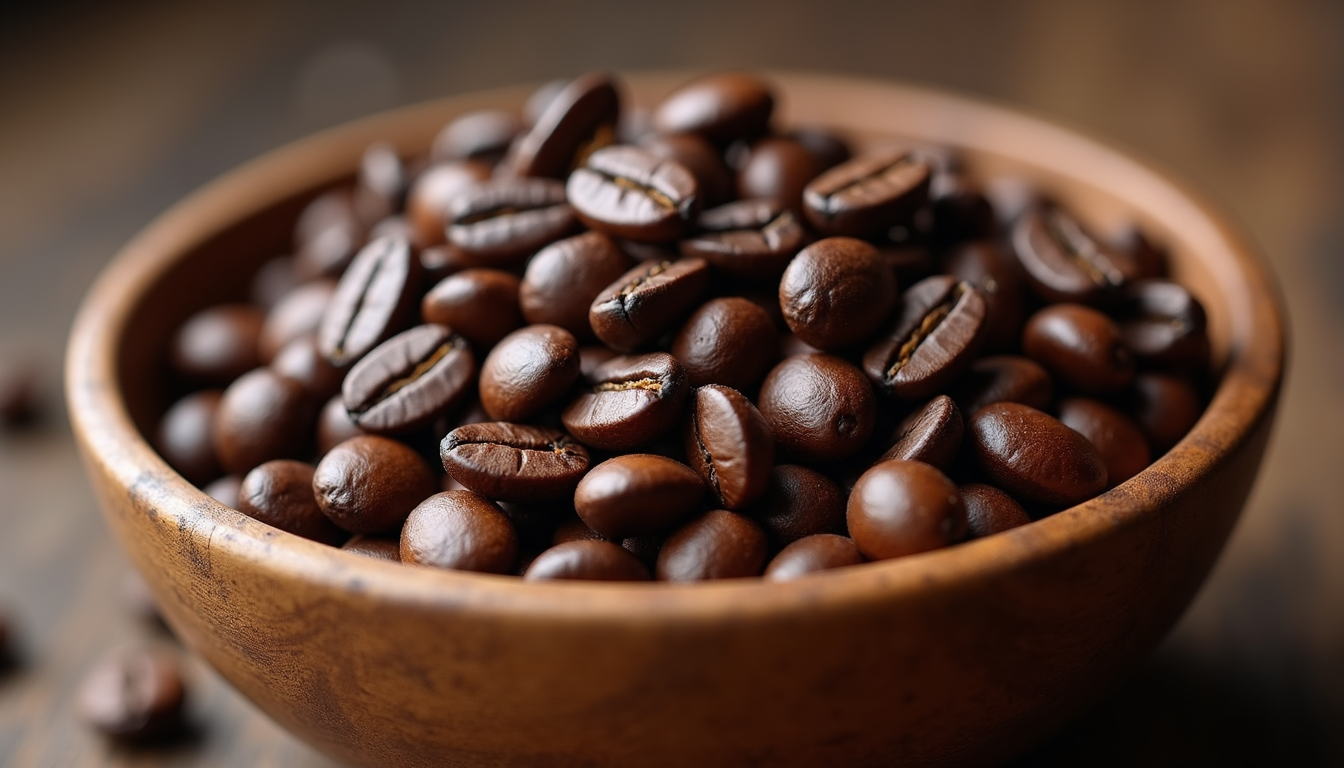
Roasted coffee beans displaying a range of colours and textures
How to Identify and Appreciate Coffee Tastes
Identifying coffee tastes requires attention and practice. Start by smelling the coffee grounds before brewing. Notice the aroma - is it floral, fruity, nutty, or earthy? After brewing, take a small sip and let the coffee coat your tongue.
Focus on these key elements:
Acidity: This is the brightness or sharpness in coffee, often described as citrusy or tangy.
Body: The weight or thickness of the coffee in your mouth, ranging from light to full-bodied.
Sweetness: Good coffee has a natural sweetness that balances acidity and bitterness.
Bitterness: A slight bitterness is normal, but excessive bitterness can indicate over-roasting or poor brewing.
Aftertaste: The lingering flavour after swallowing, which can be pleasant or harsh.
Using a flavour wheel or tasting notes can help you identify specific flavours like berries, chocolate, spices, or floral hints. Experiment with different brewing methods such as pour-over, French press, or espresso to see how they affect the taste.
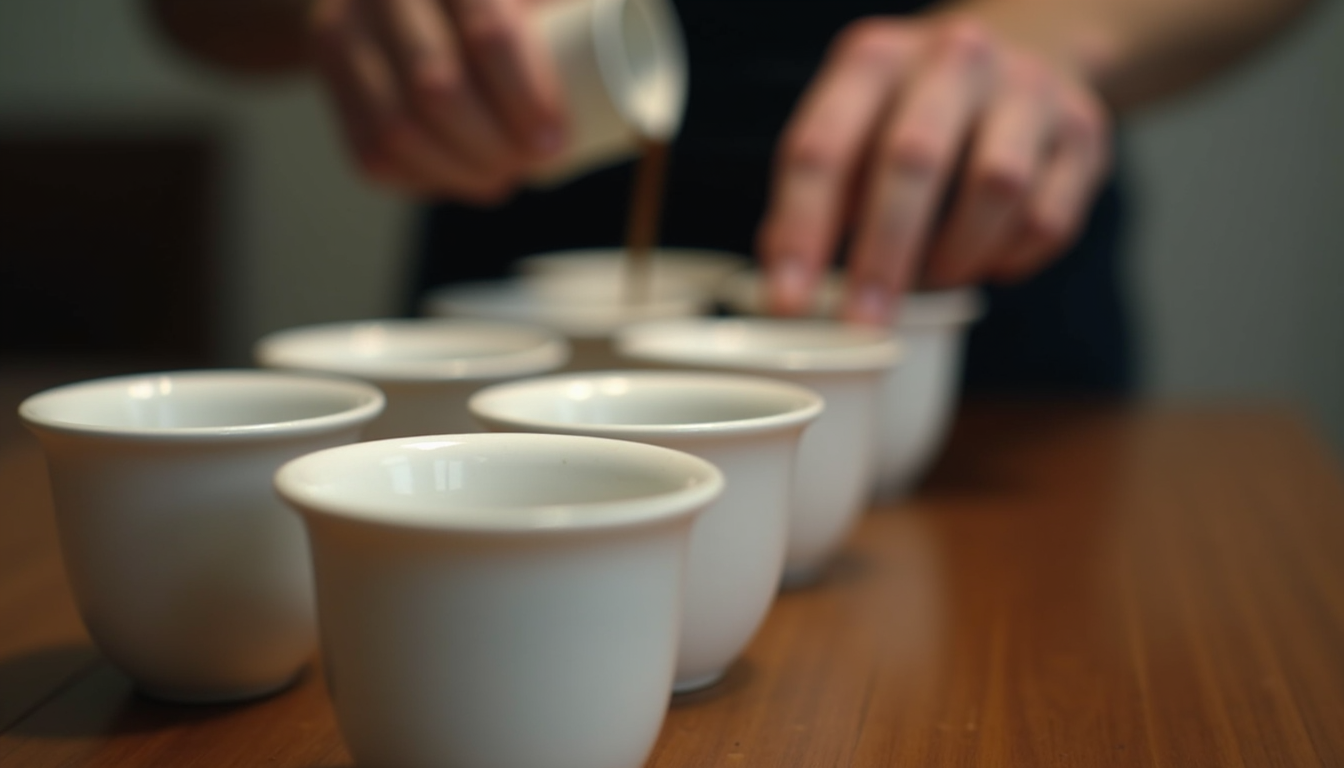
Coffee cupping session to compare and evaluate different coffee tastes
For those interested in exploring a wide range of coffee tastes, consider trying different beans from reputable sources. Many specialty coffee roasters provide detailed descriptions of their beans' flavour profiles. You can also explore coffee flavor profiles online to find beans that match your taste preferences.
What is the 15-15-15 Coffee Rule?
The 15-15-15 coffee rule is a simple guideline to brew a balanced cup of coffee. It refers to using 15 grams of coffee, 15 grams of water, and a 15-second brew time for espresso. This rule helps beginners achieve a consistent extraction and a well-rounded flavour.
For other brewing methods, the principle can be adapted. For example, in pour-over brewing, you might use a coffee-to-water ratio of 1:15, meaning 15 grams of coffee to 225 grams of water. The key is to maintain balance between the amount of coffee, water, and brewing time to avoid under-extraction (sour, weak coffee) or over-extraction (bitter, harsh coffee).
Using a scale and timer can improve your brewing precision. Adjust the grind size, water temperature, and brew time to fine-tune the taste according to your preference.
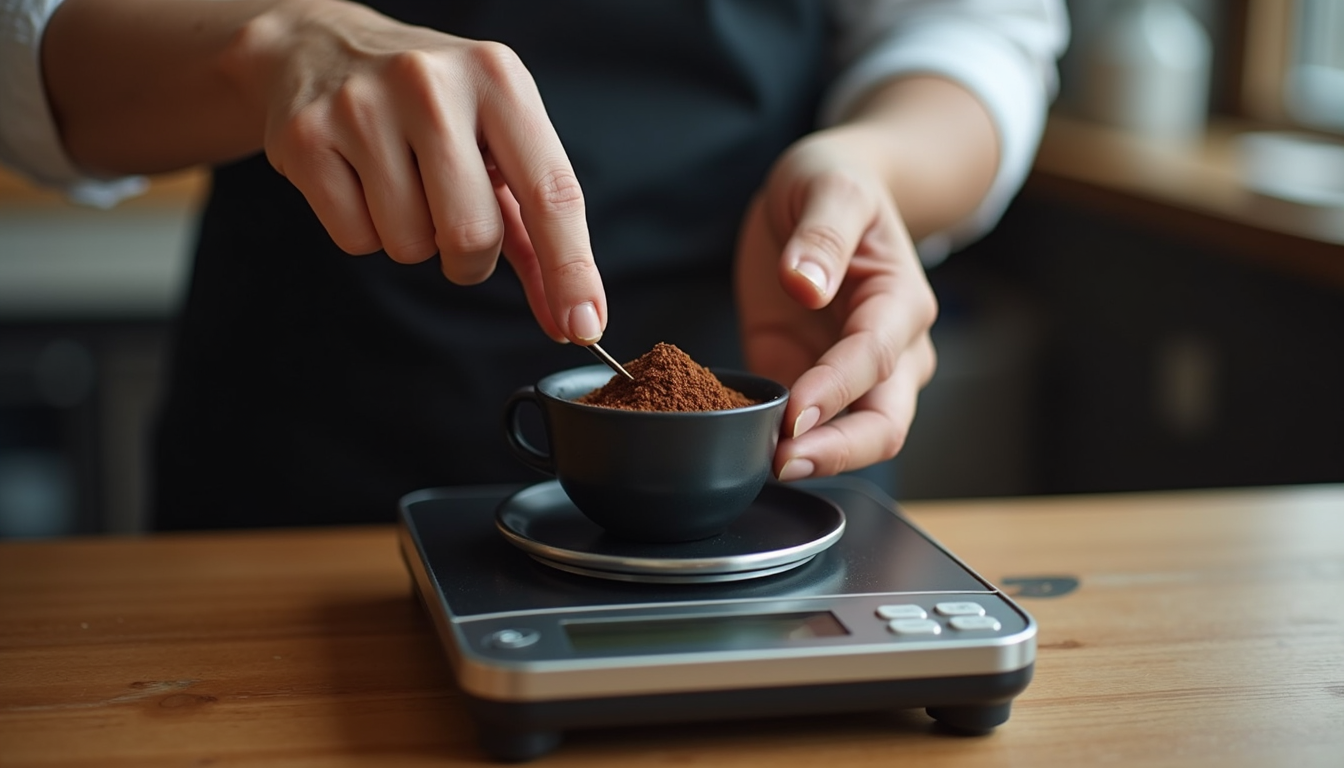
Barista measuring coffee grounds precisely for consistent brewing
Tips for Enhancing Your Coffee Tasting Experience
To deepen your appreciation of coffee tastes, try these practical tips:
Use Fresh Beans: Coffee tastes best when brewed with freshly roasted beans. Avoid pre-ground coffee if possible.
Grind Just Before Brewing: Grinding releases the coffee’s aroma and flavour. Use a burr grinder for consistent particle size.
Experiment with Brewing Methods: Different methods highlight different aspects of coffee. Try espresso, AeroPress, French press, or cold brew.
Control Water Quality and Temperature: Use filtered water and maintain a brewing temperature between 90-96°C for optimal extraction.
Take Notes: Keep a coffee journal to record your tasting experiences, noting the origin, roast, brewing method, and flavour impressions.
Pair with Food: Try pairing coffee with complementary foods like dark chocolate, nuts, or fruits to enhance flavour perception.
By following these tips, you can develop a more refined palate and enjoy the rich diversity of coffee tastes.
Discovering Your Personal Coffee Preferences
Everyone’s taste buds are different, so discovering your personal coffee preferences is part of the journey. Start by trying coffees from different regions and roast levels. Notice which flavours you enjoy most - do you prefer bright and fruity, rich and chocolatey, or bold and smoky?
Join coffee tasting events or cuppings to learn from experts and meet fellow coffee enthusiasts. Many coffee shops and roasters offer tasting sessions where you can sample a variety of beans and learn about their unique characteristics.
Remember, there is no right or wrong when it comes to coffee tastes. The best coffee is the one you enjoy the most.
Exploring the unique coffee tastes of coffee beans opens up a world of sensory delight. By understanding the factors that influence flavour and practising mindful tasting, you can elevate your coffee experience. Whether you prefer a light, fruity brew or a dark, intense espresso, the perfect cup is waiting to be discovered.